Robert Rauschenberg’s New York: Pictures from the Real World
Visual Identity, Exhibition, Architecture
Exhibition design celebrating Robert Rauschenberg's centennial at the Museum of the City of New York
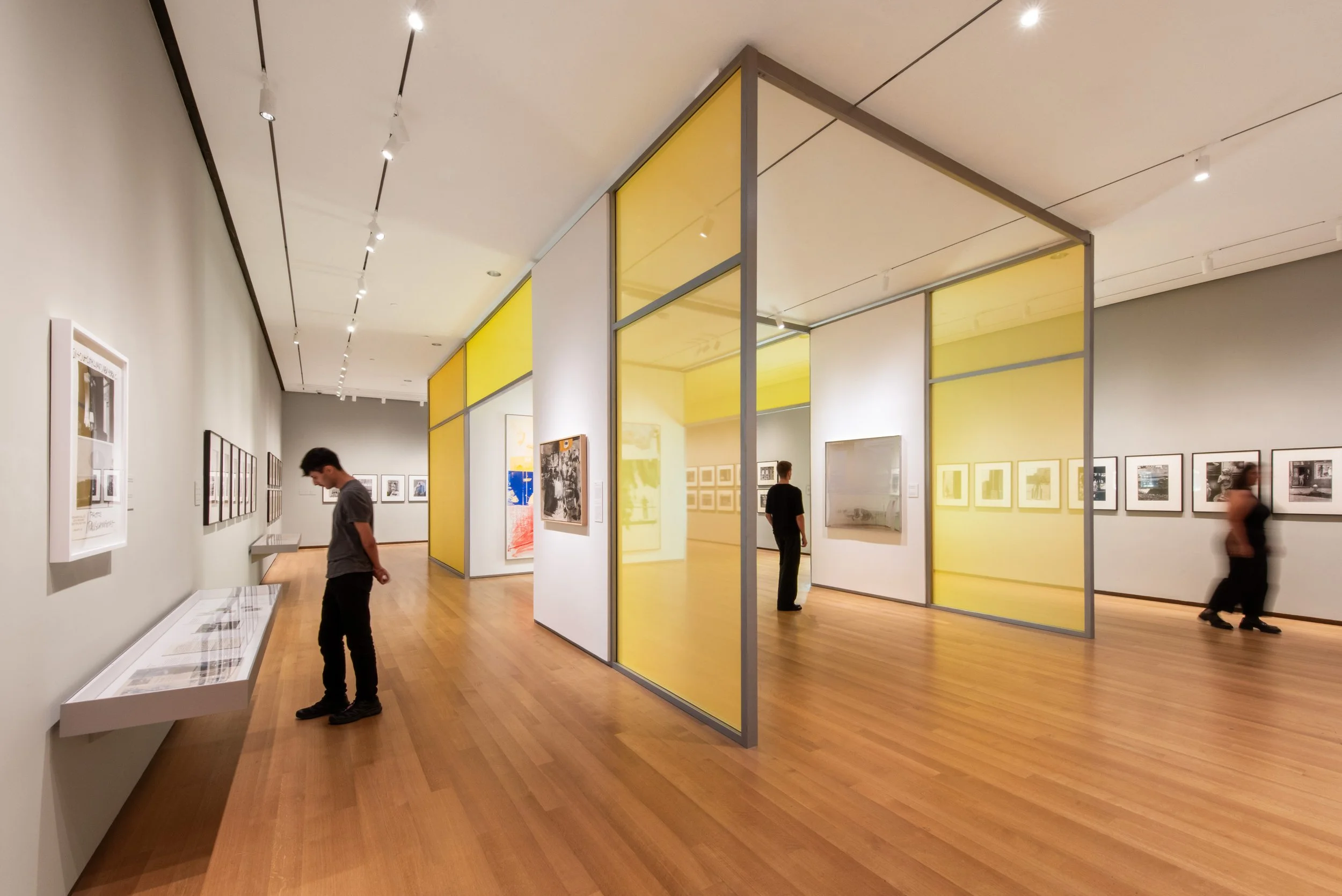
Immersive interplay of photography and painting
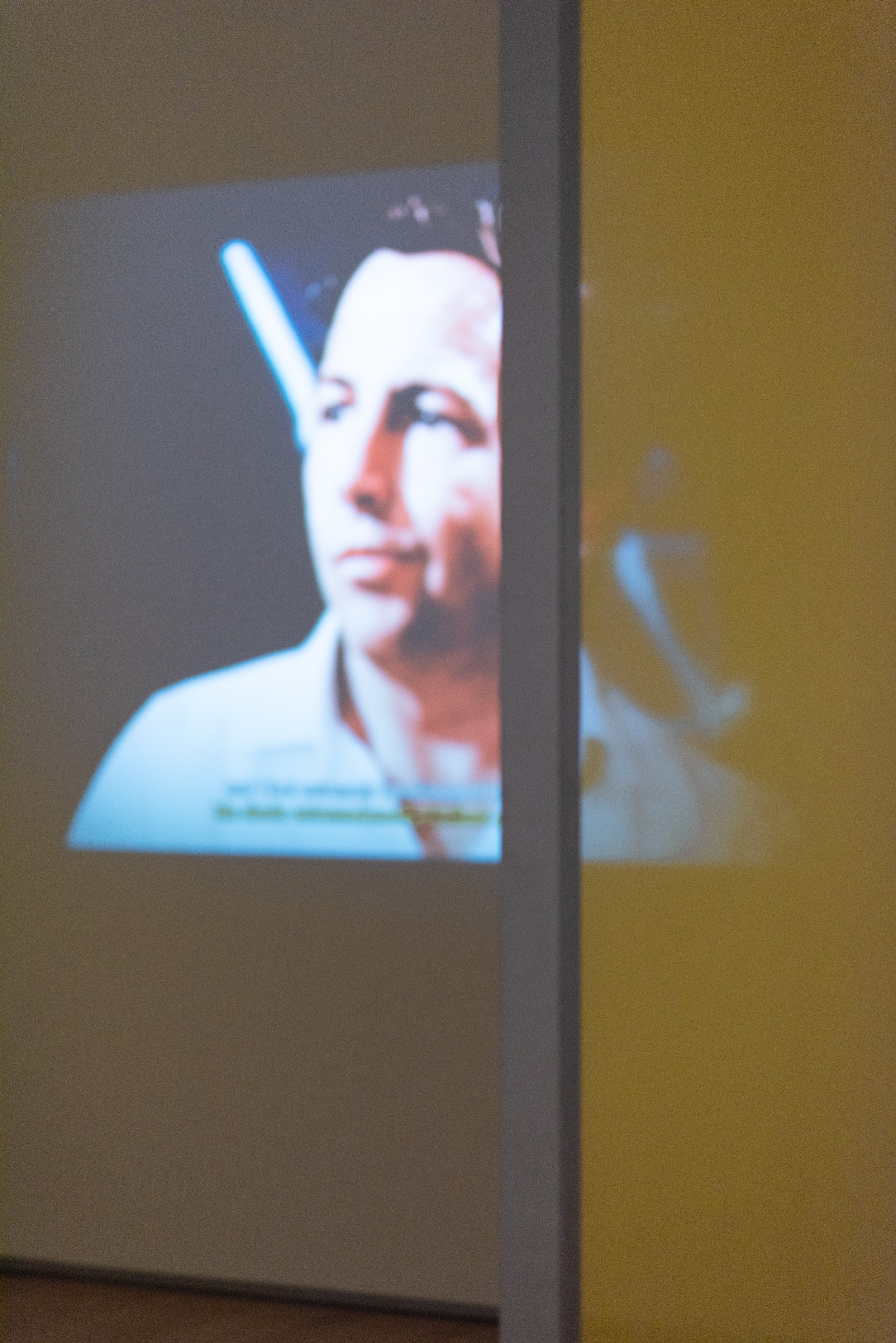
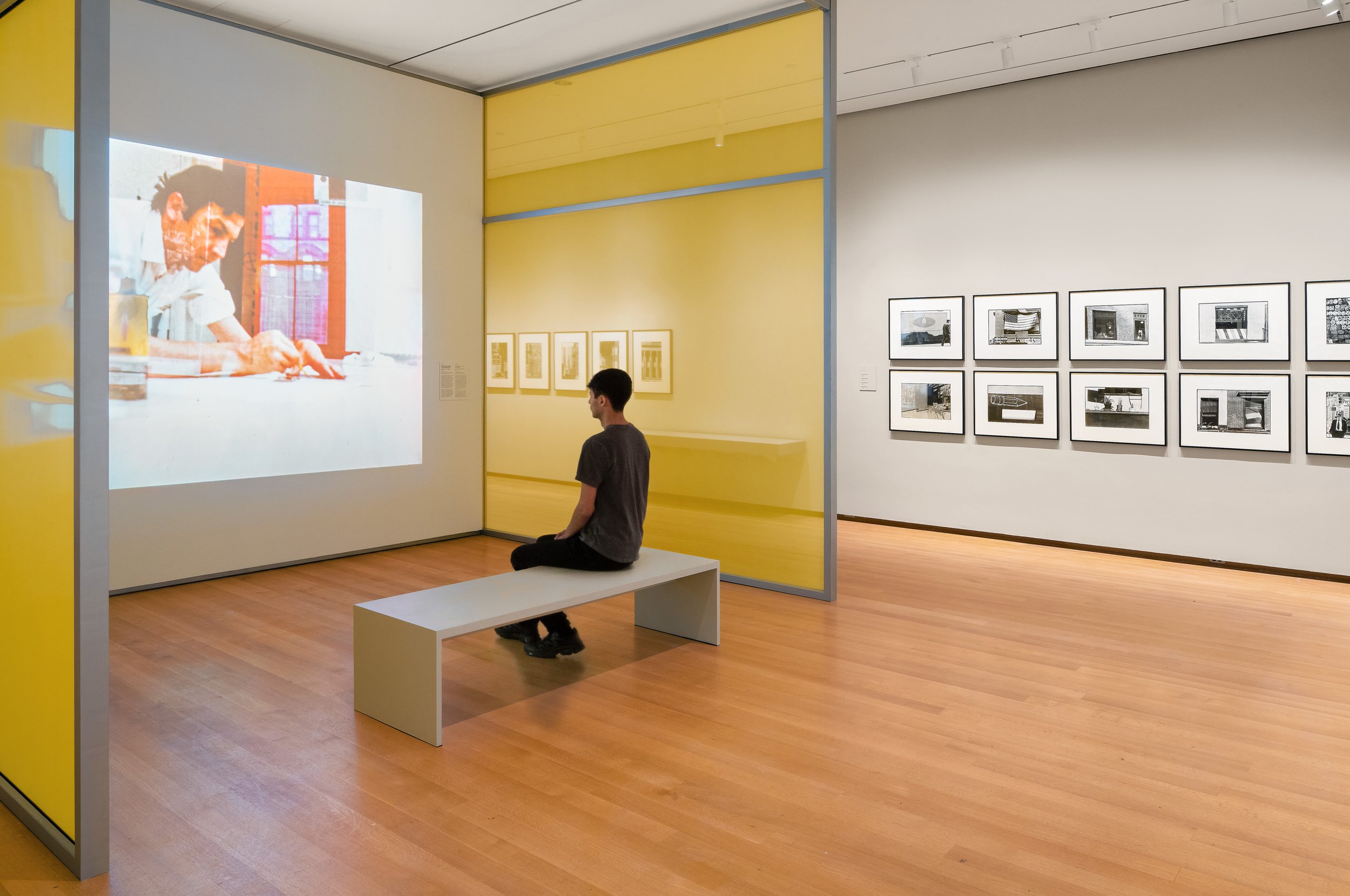
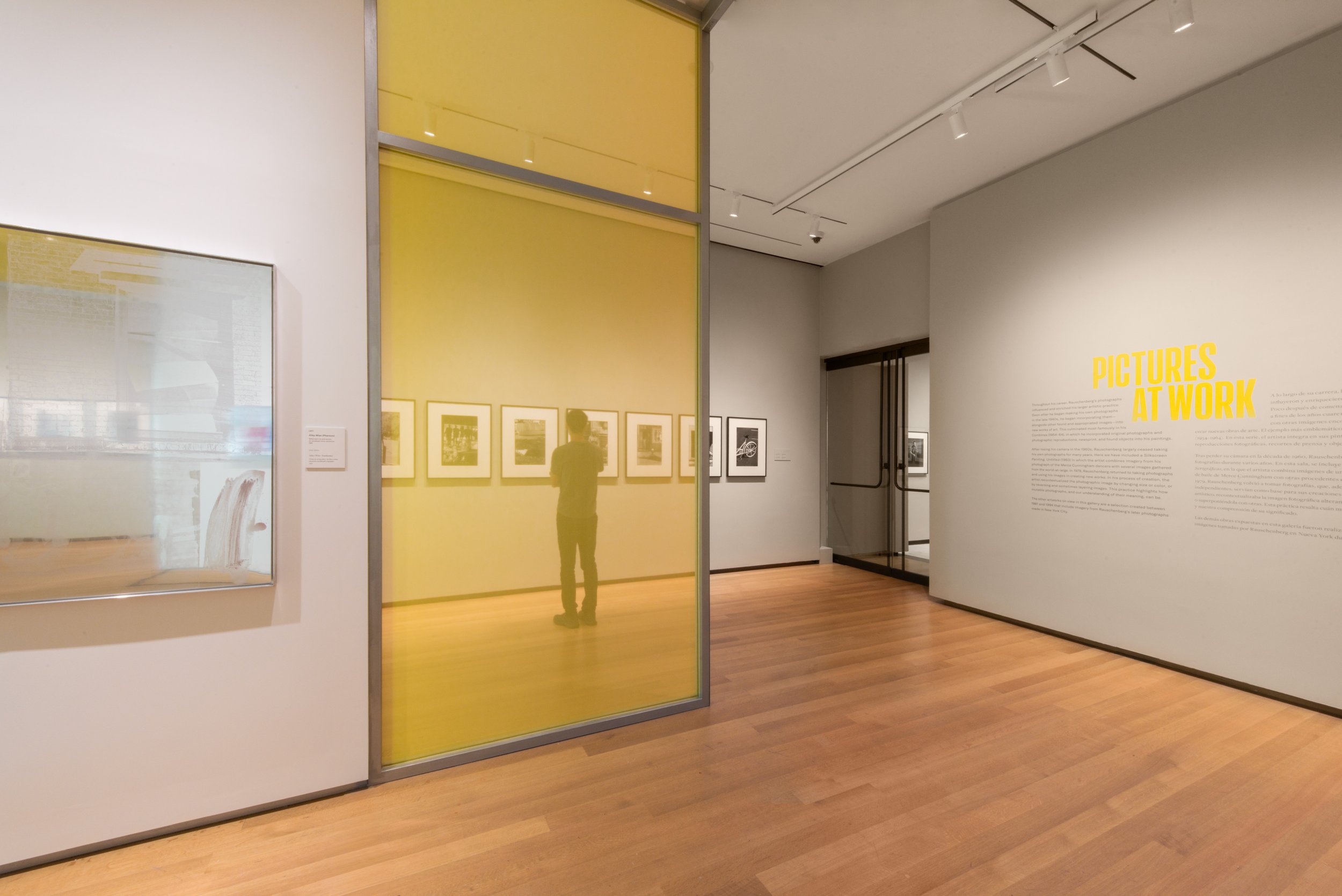
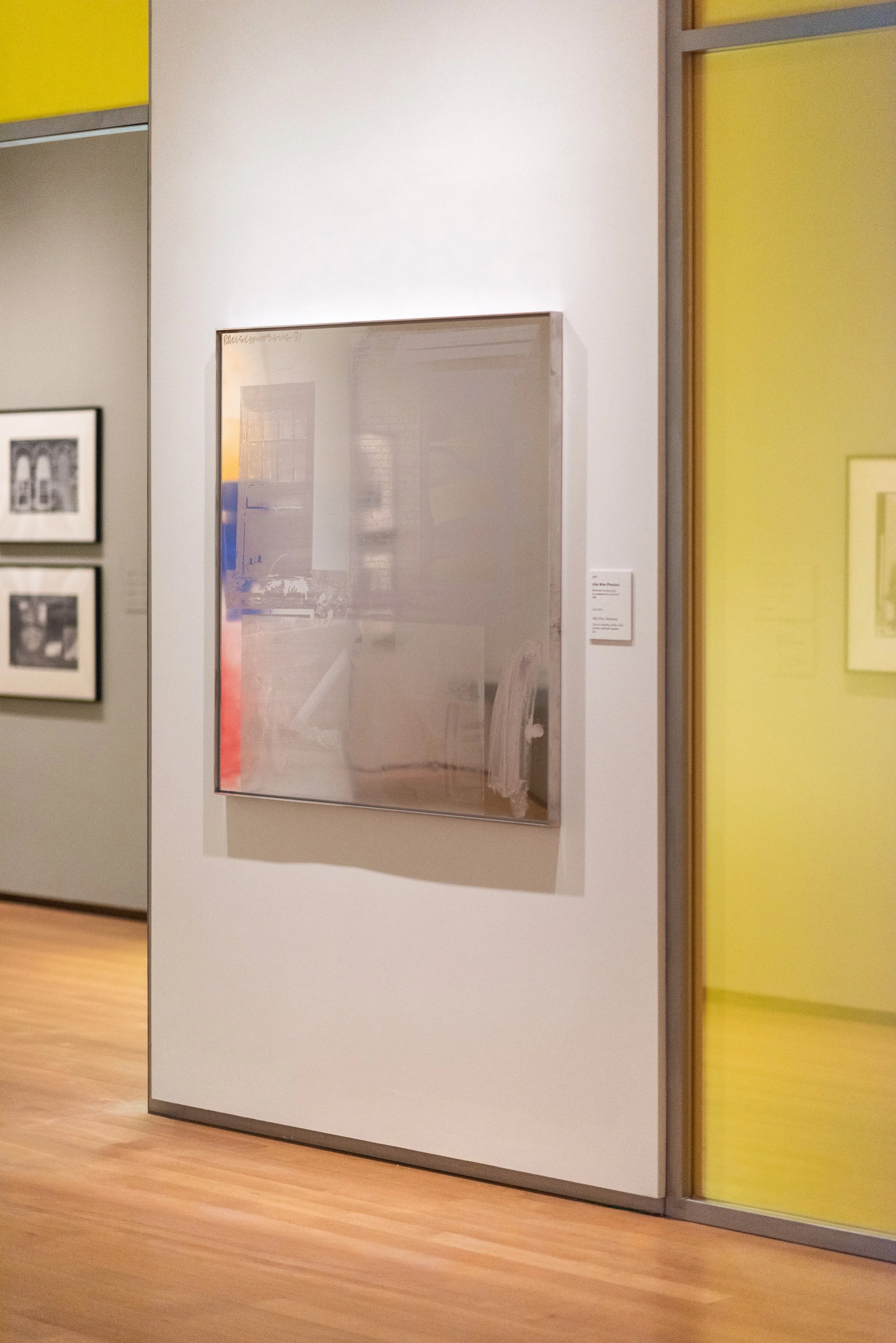
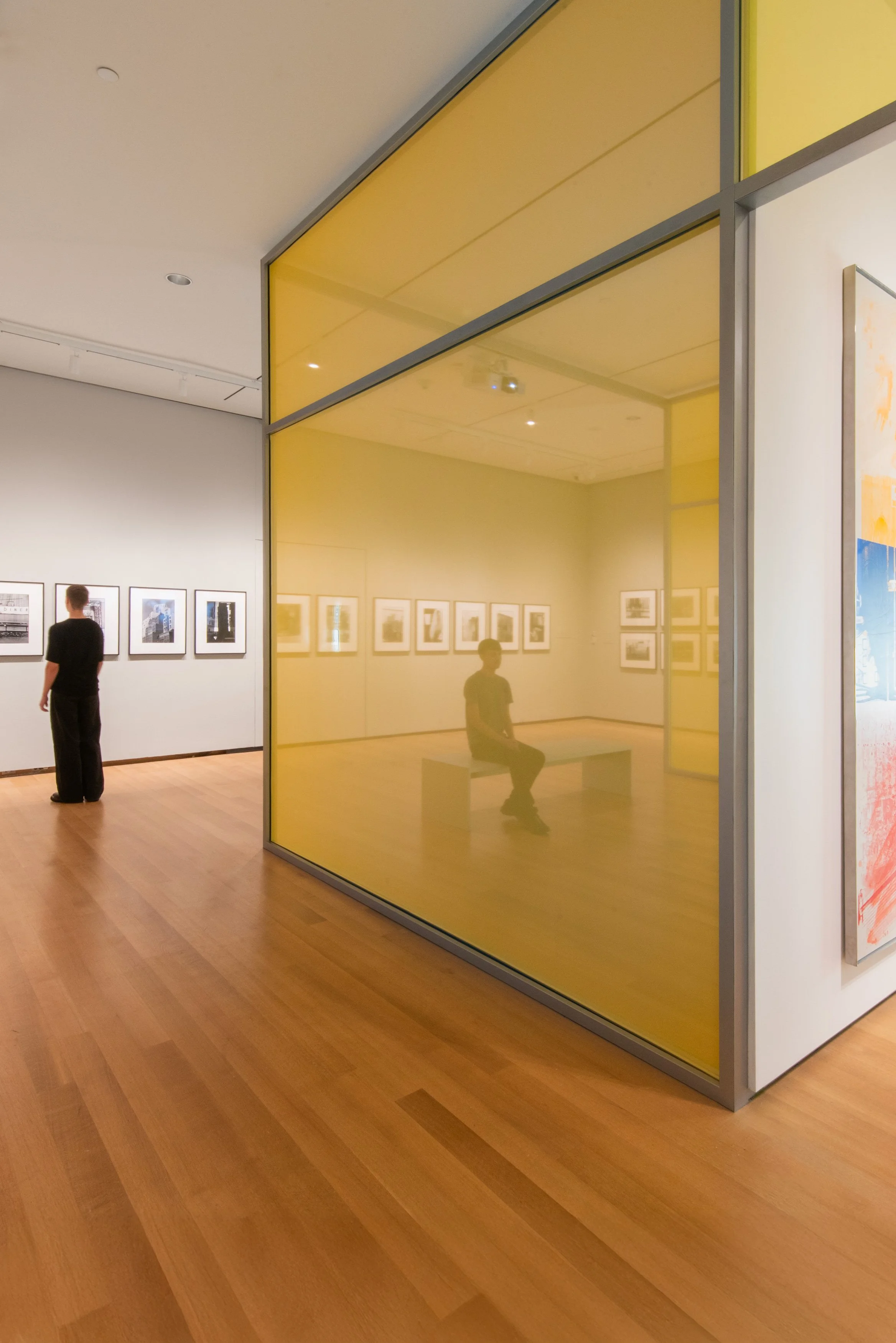
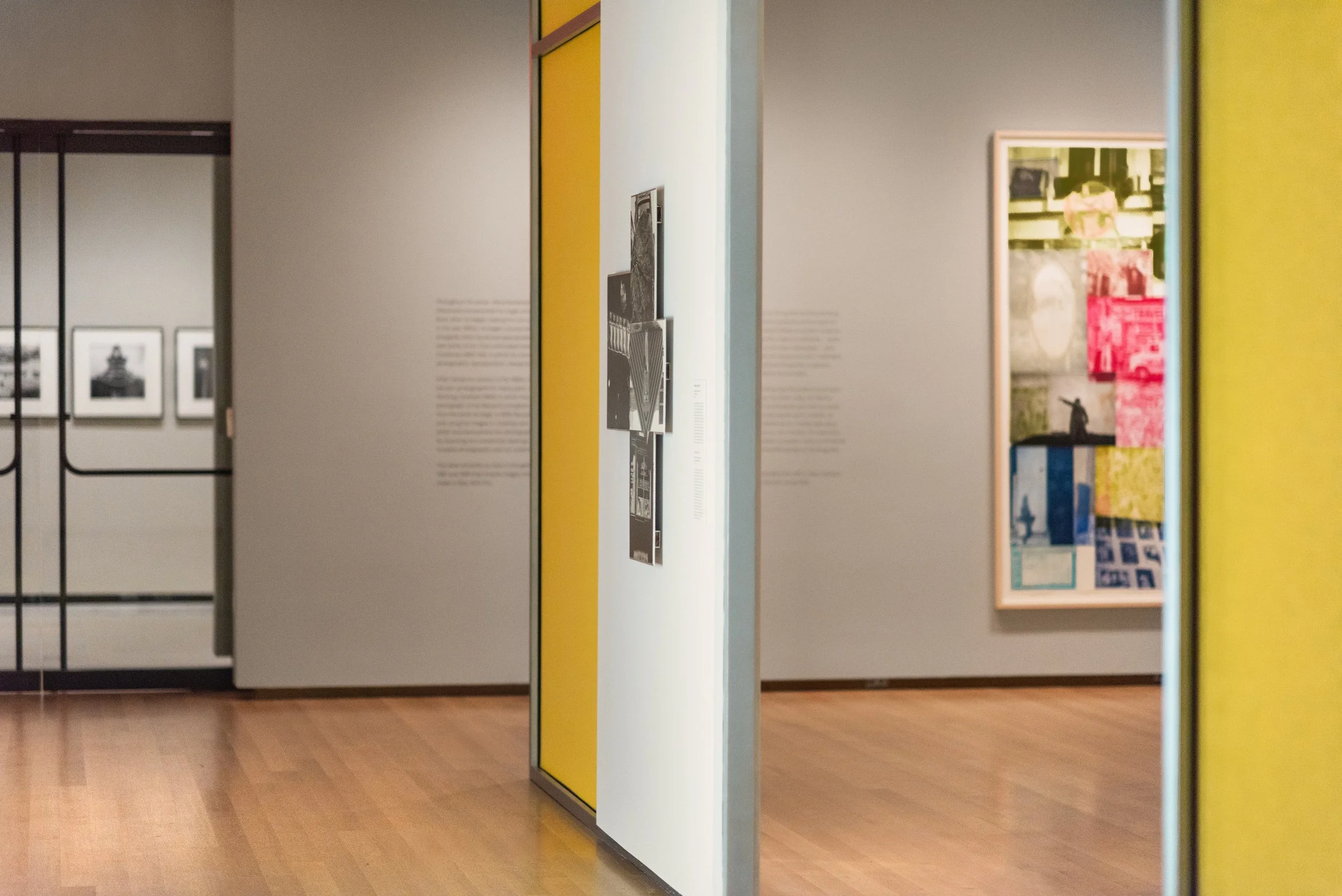
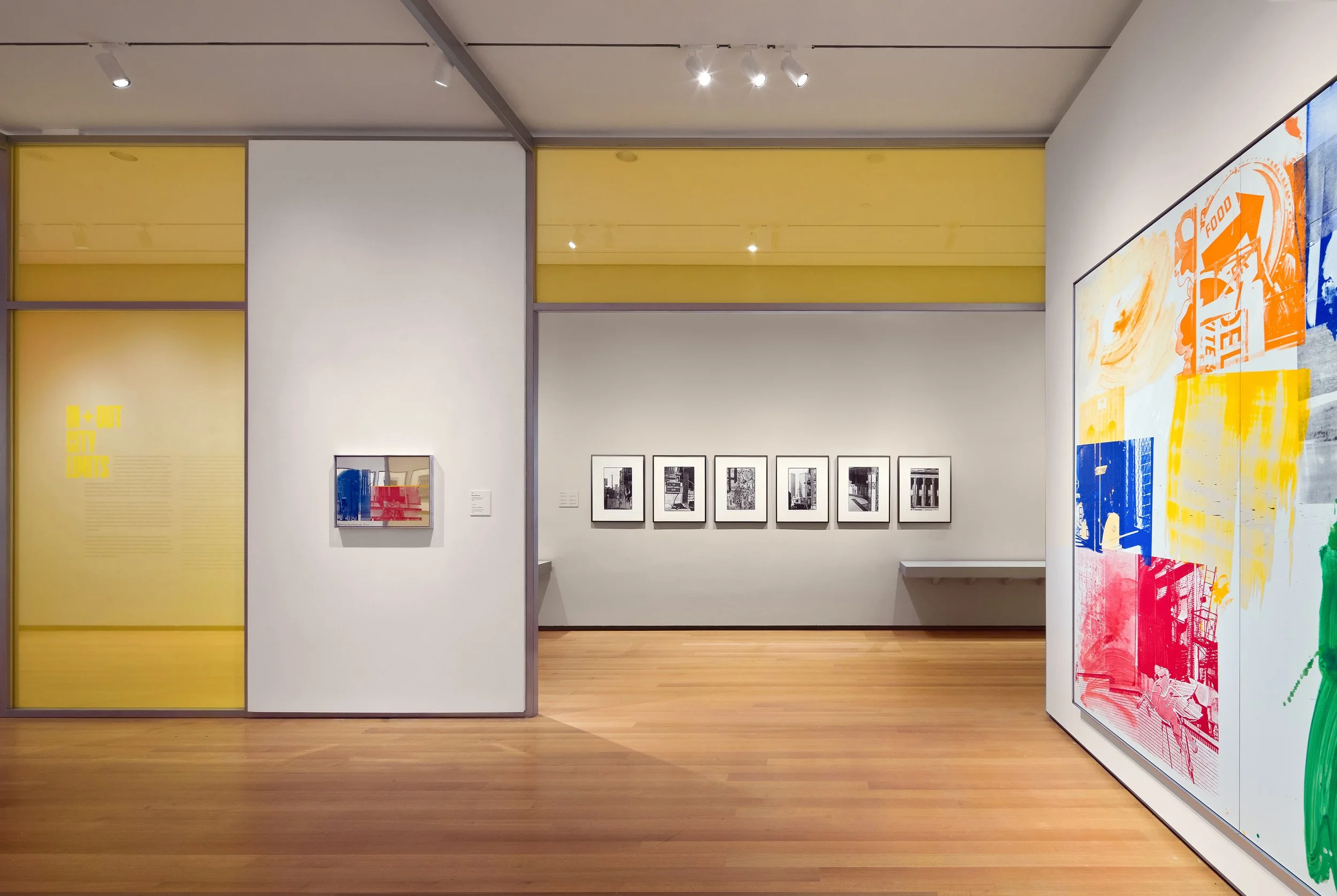
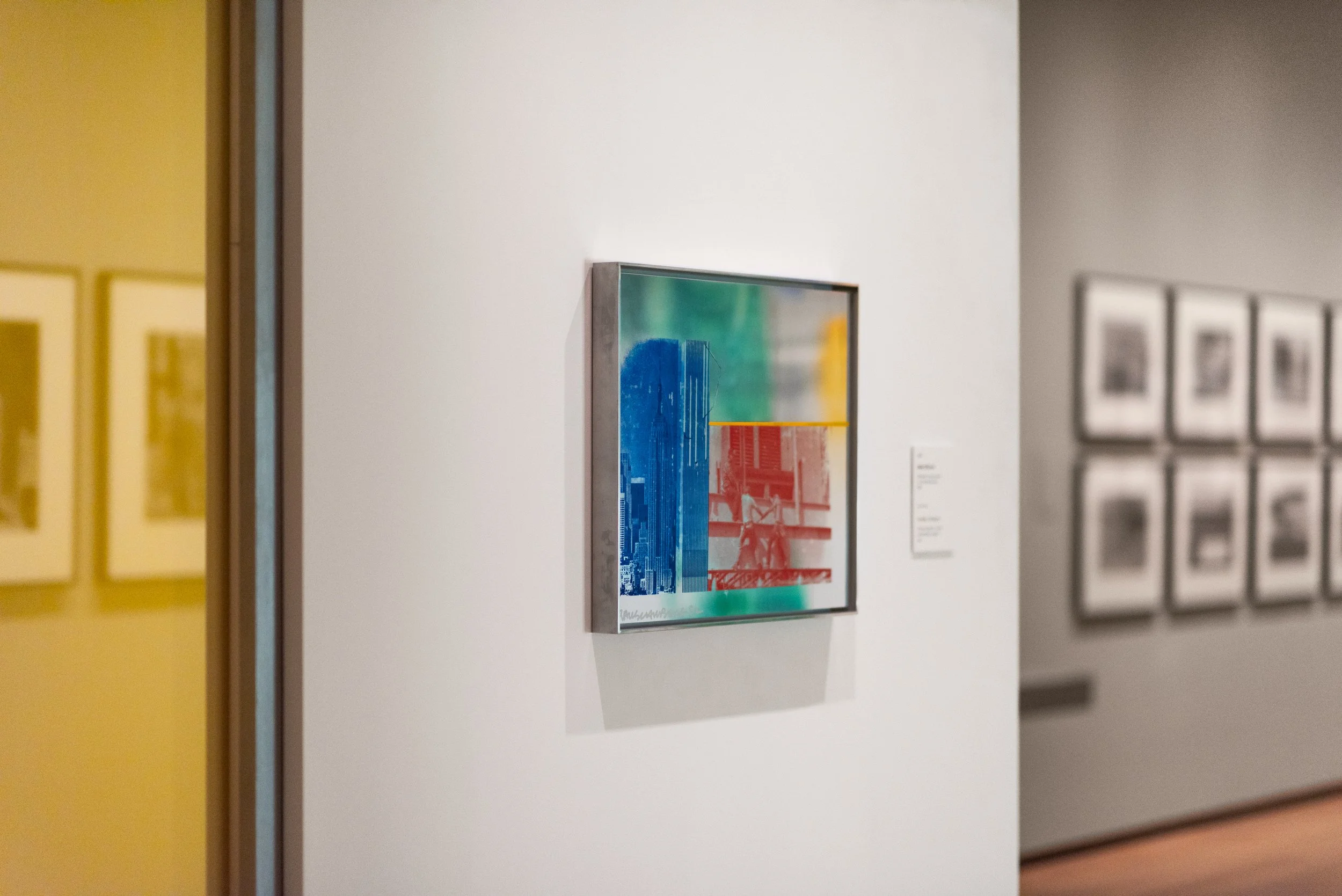
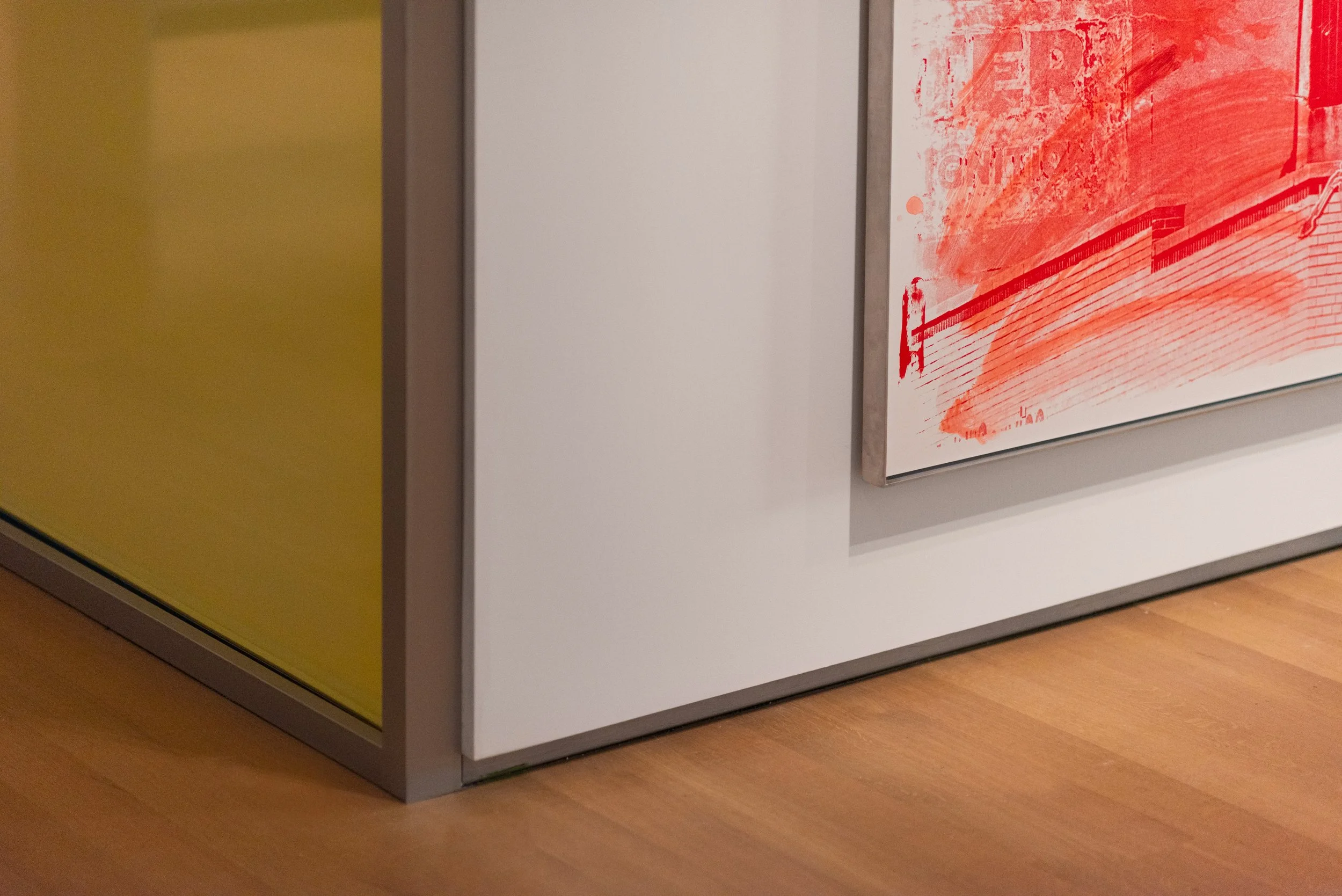
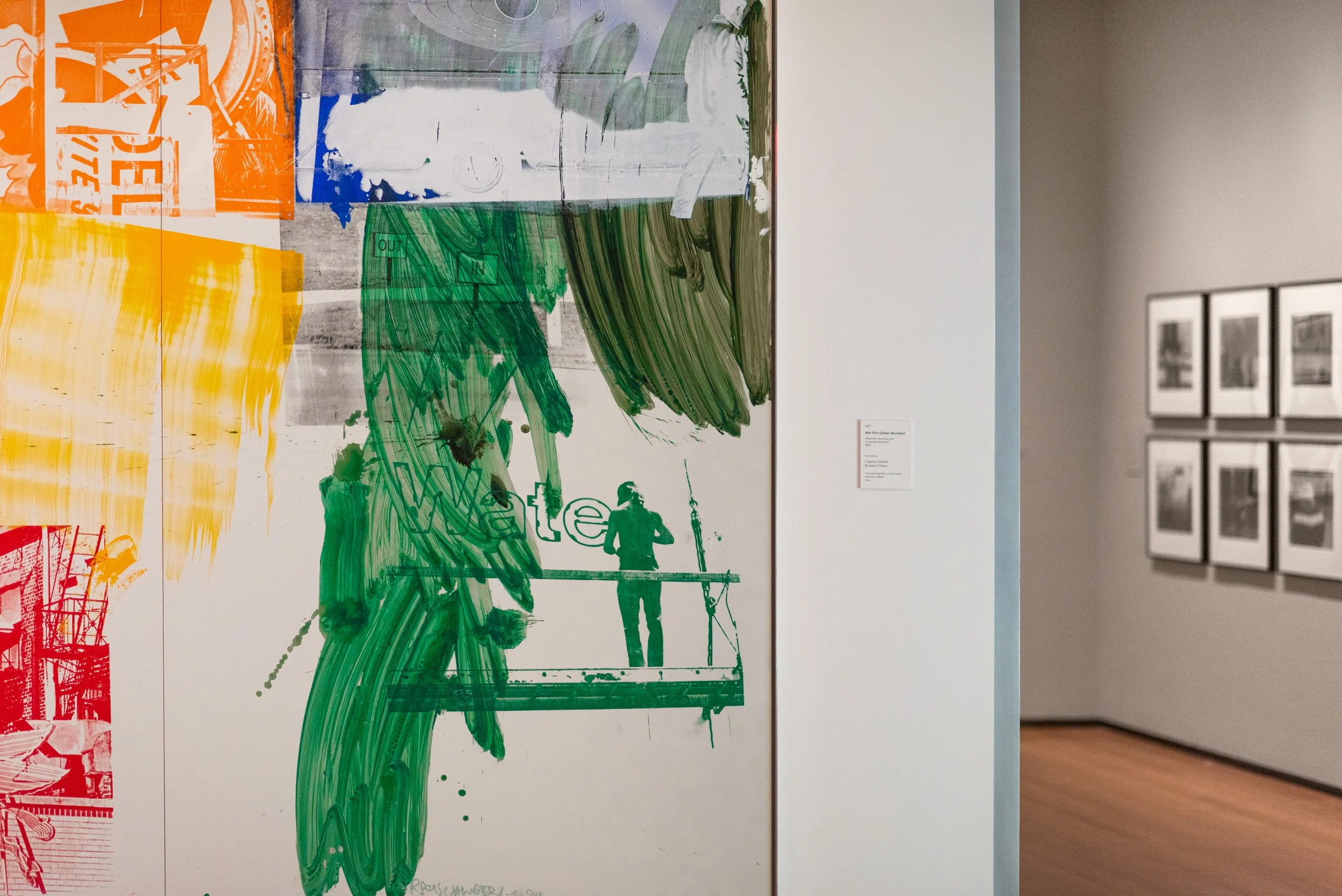
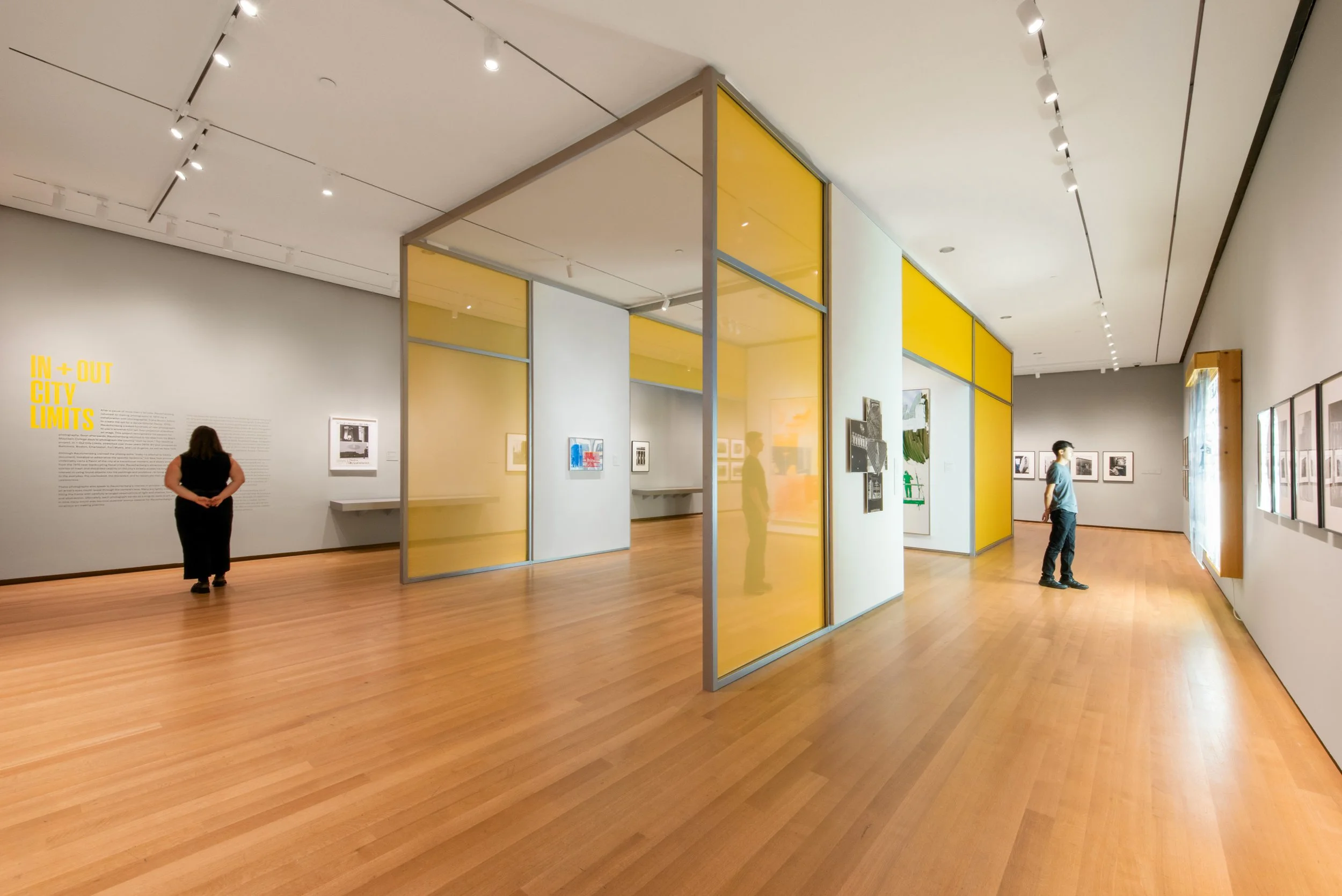
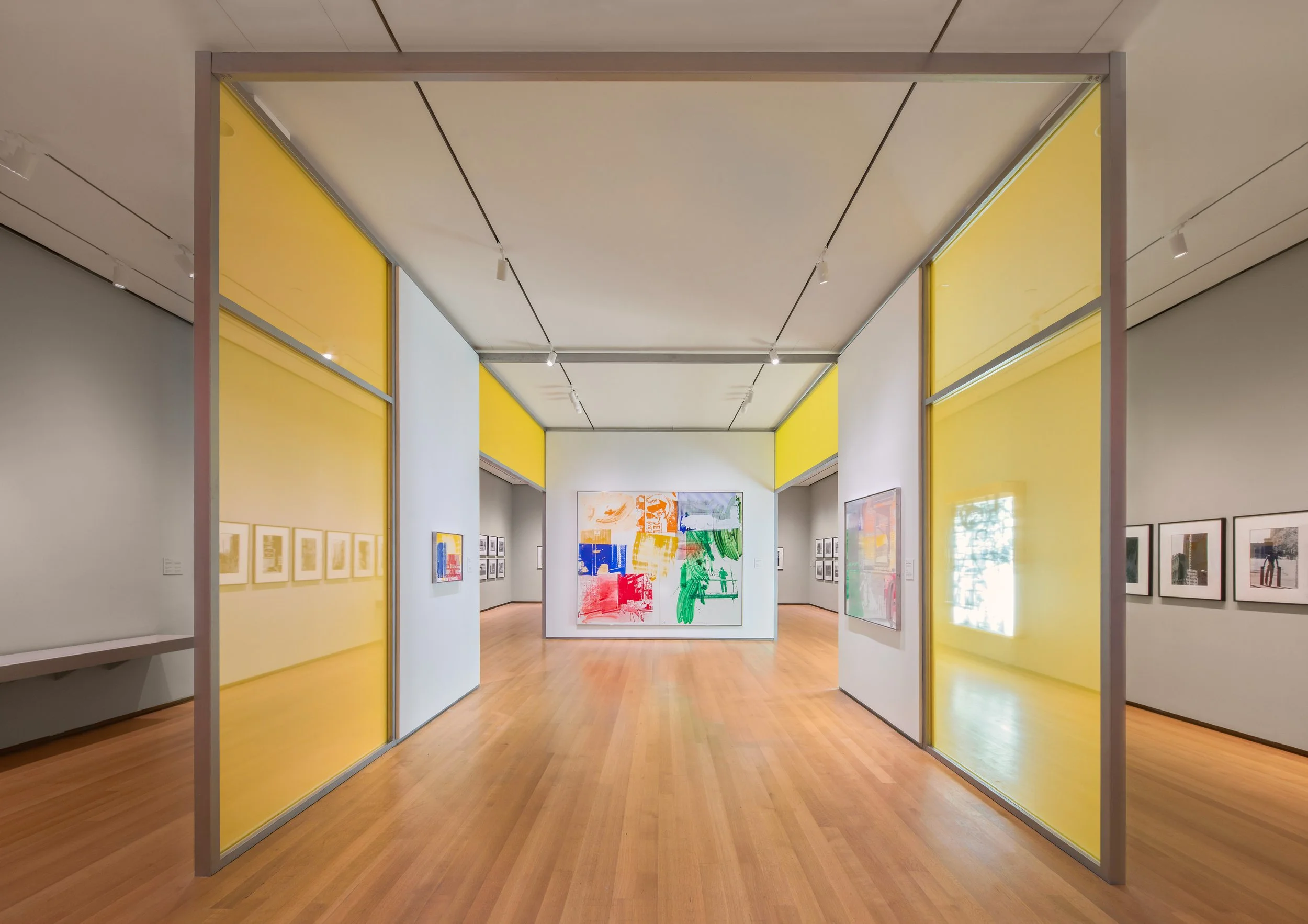
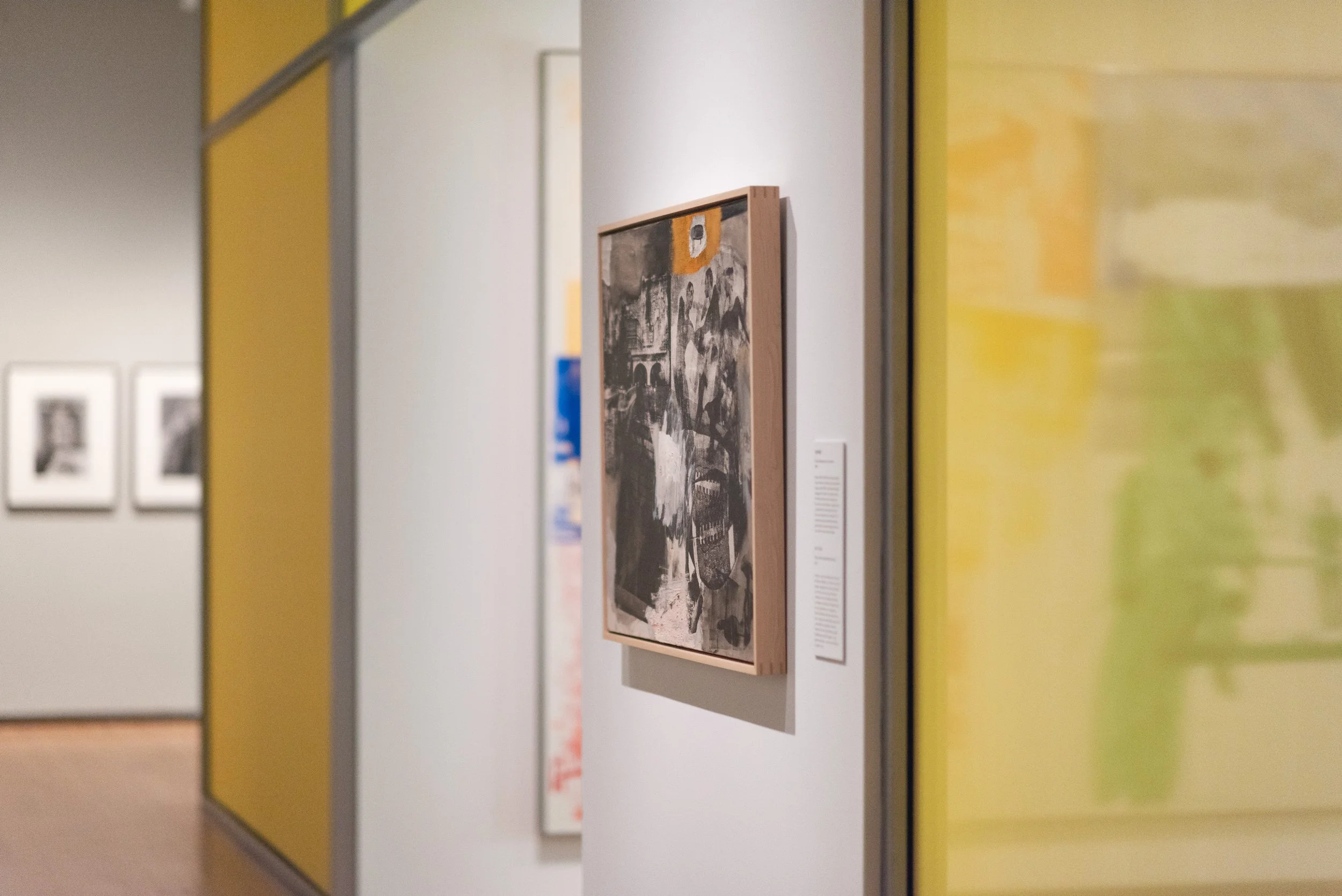
For Robert Rauschenberg’s New York, we designed an exhibition that surrounds visitors with the artist’s own photographs: images that served both as a personal archive of his life in New York City and as the raw material for his groundbreaking paintings. Rauschenberg resized, rotated, overlapped, colorized, and screenprinted these photographs to construct his monumental works, and the exhibition architecture takes direct inspiration from the scale and tactility of screen-printing screens. A monumental, abstracted screen structure frames the artworks at the center of the gallery, immersing viewers in the interplay between the photographs and their transformation into paintings. Seen both as original objects and through the soft yellow filter of translucent screen fabric, the images reveal the layered process at the heart of Rauschenberg’s practice. The graphic design echoes the boldness of the works and of New York City, using condensed sans serif typography in a dynamic, collage-like relationship with reproduced photographs and paragraph text.
Artwork: © Robert Rauschenberg.
Artwork copyright Robert Rauschenberg Foundation.
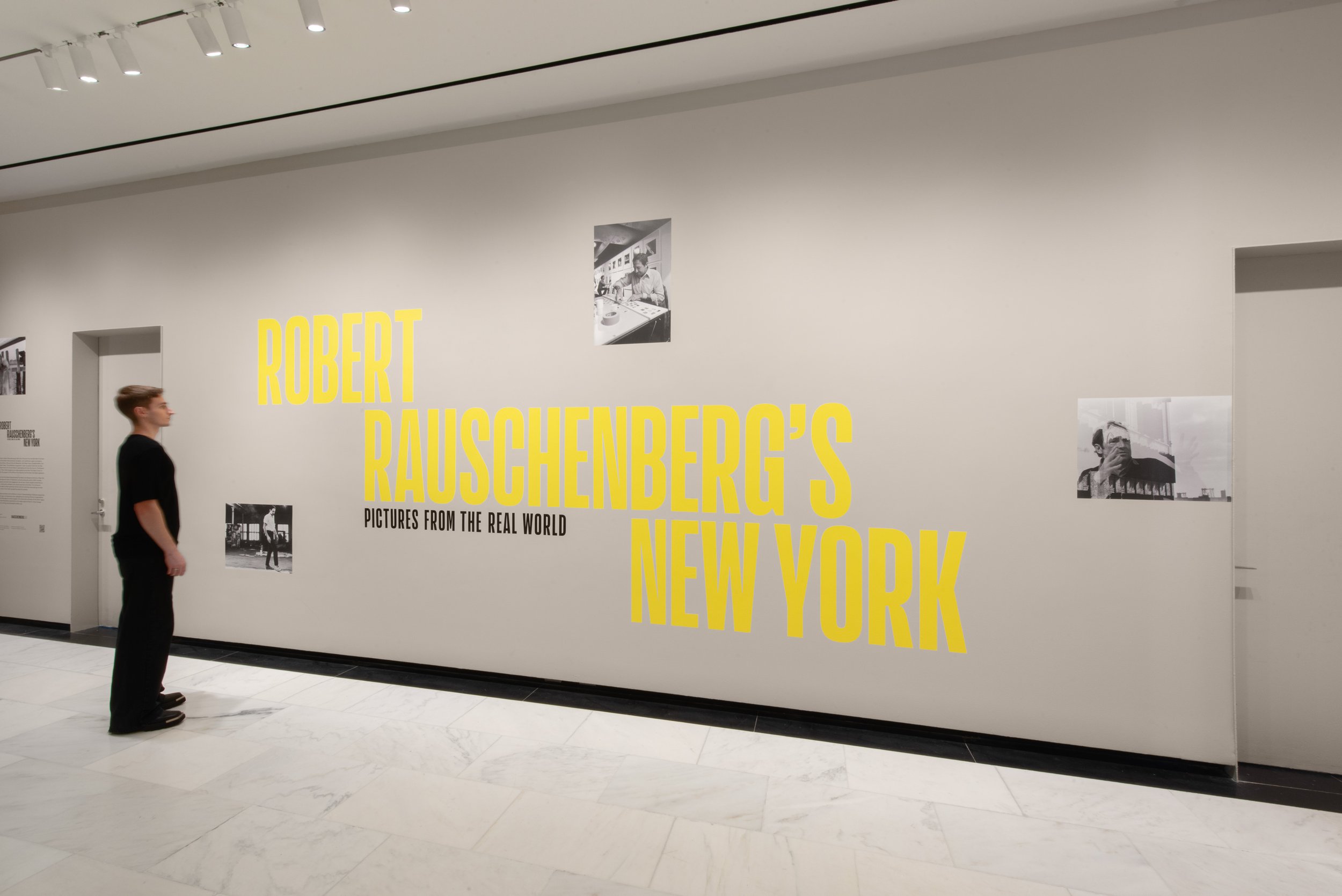
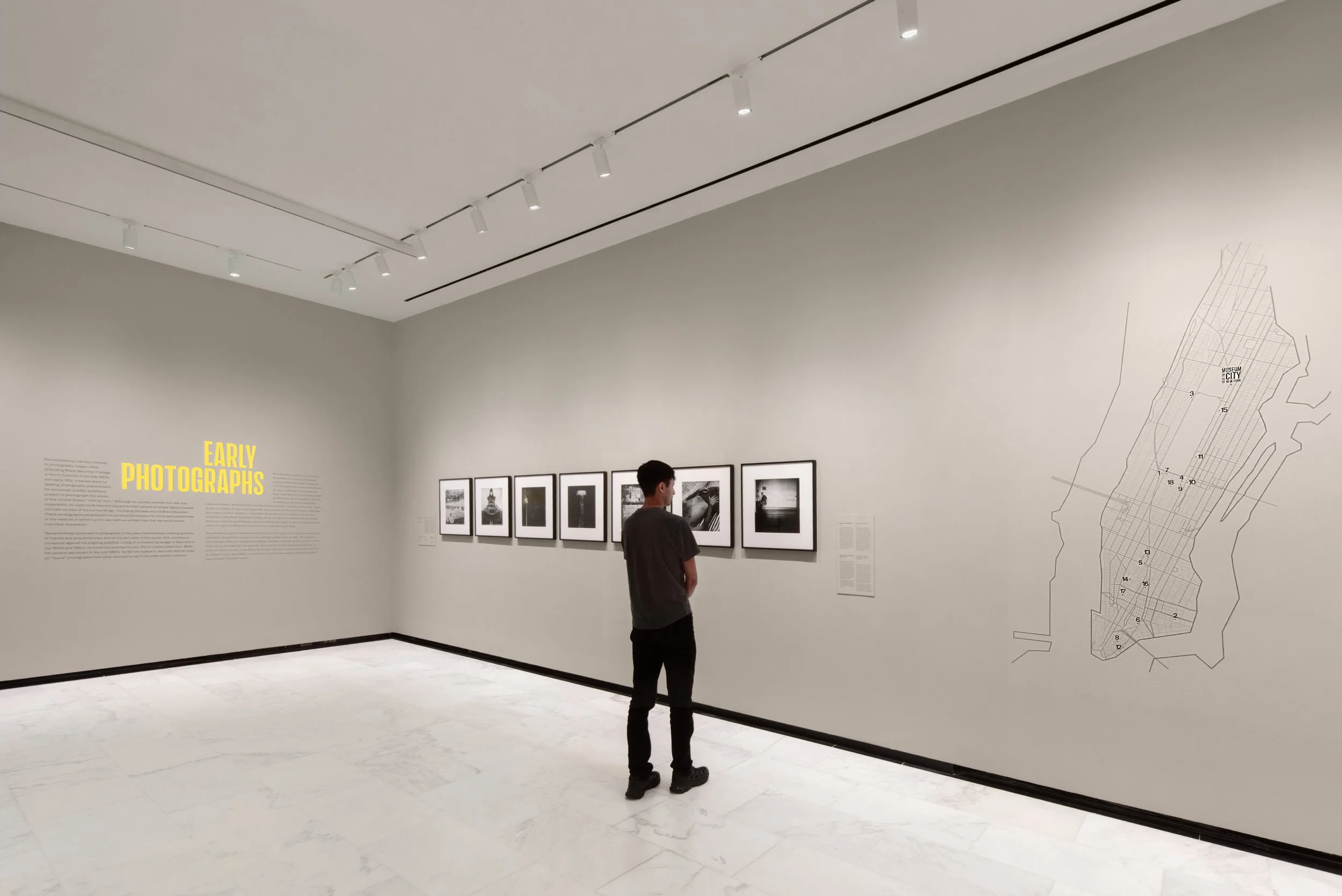
Design as a creative process of synthesis
We collaborated closely with curator Sean Corcoran, museum leadership, and the Rauschenberg Foundation to create an installation that honors the artist’s centennial and presents his work with clarity, boldness, and renewed immediacy for contemporary audiences. Our shared goal was to celebrate and illuminate Rauschenberg’s work and process through design. This ethos guided us through complex decisions regarding color, temporary wall construction, and the use of translucency to heighten perception and invite deeper looking.
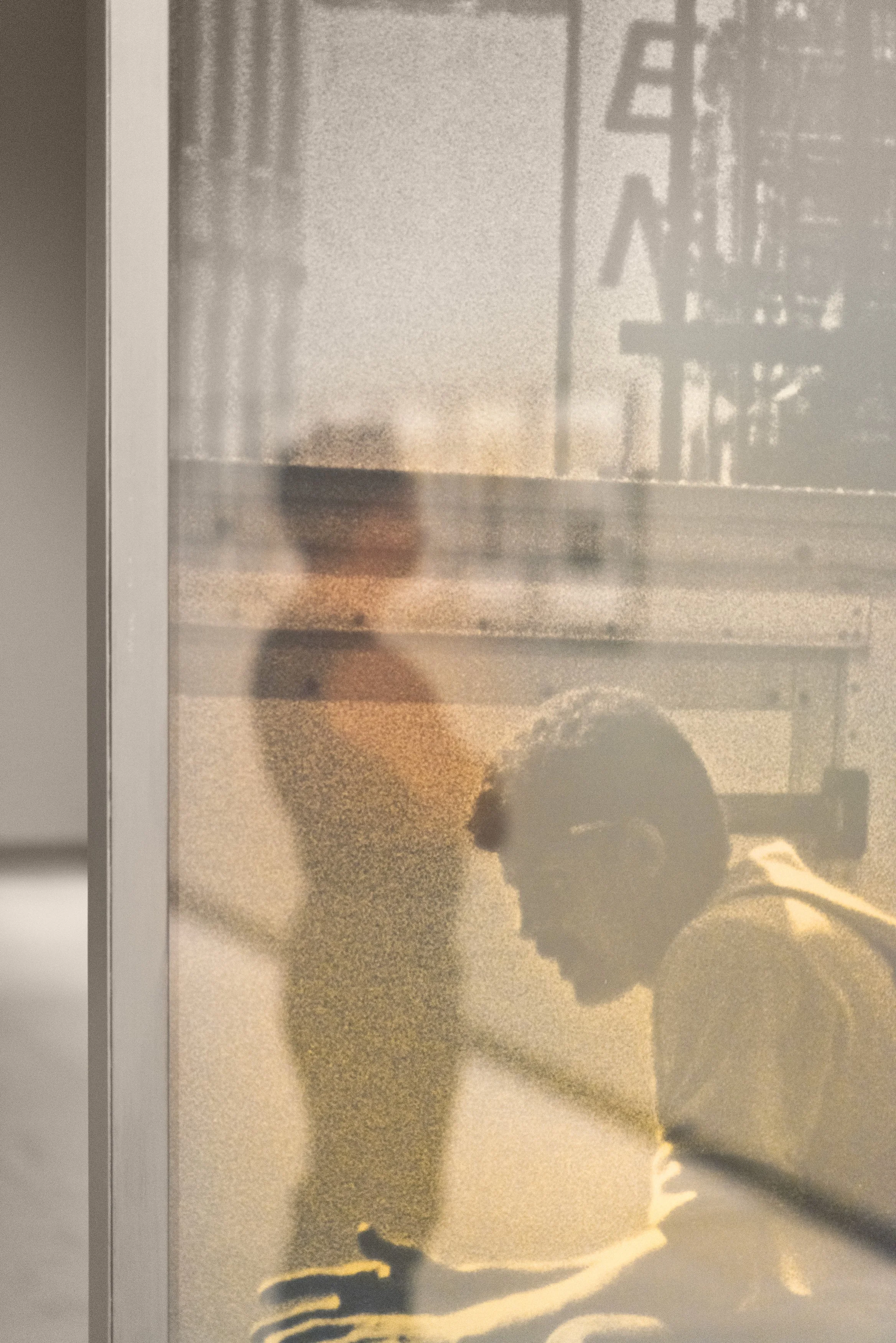
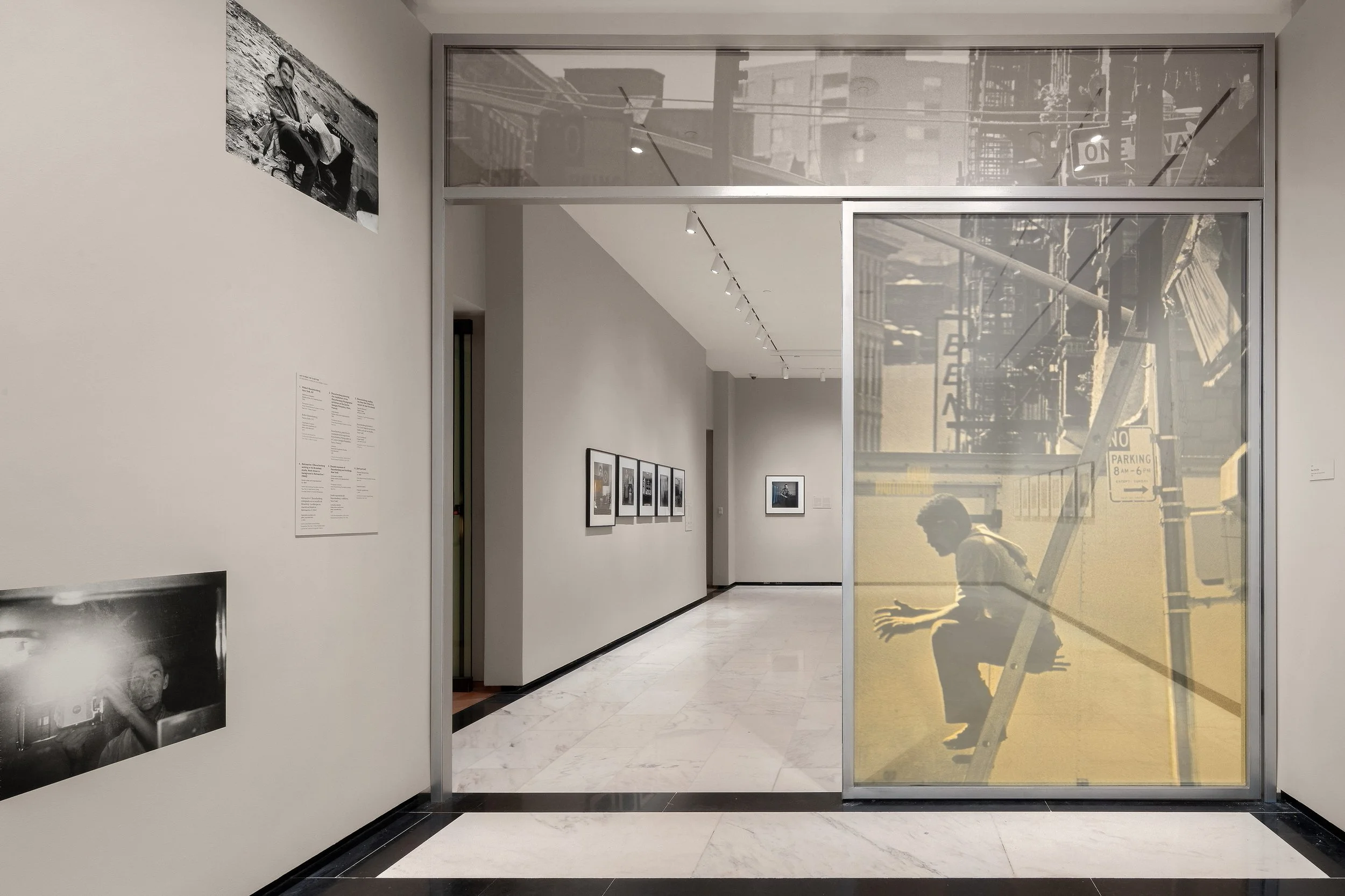
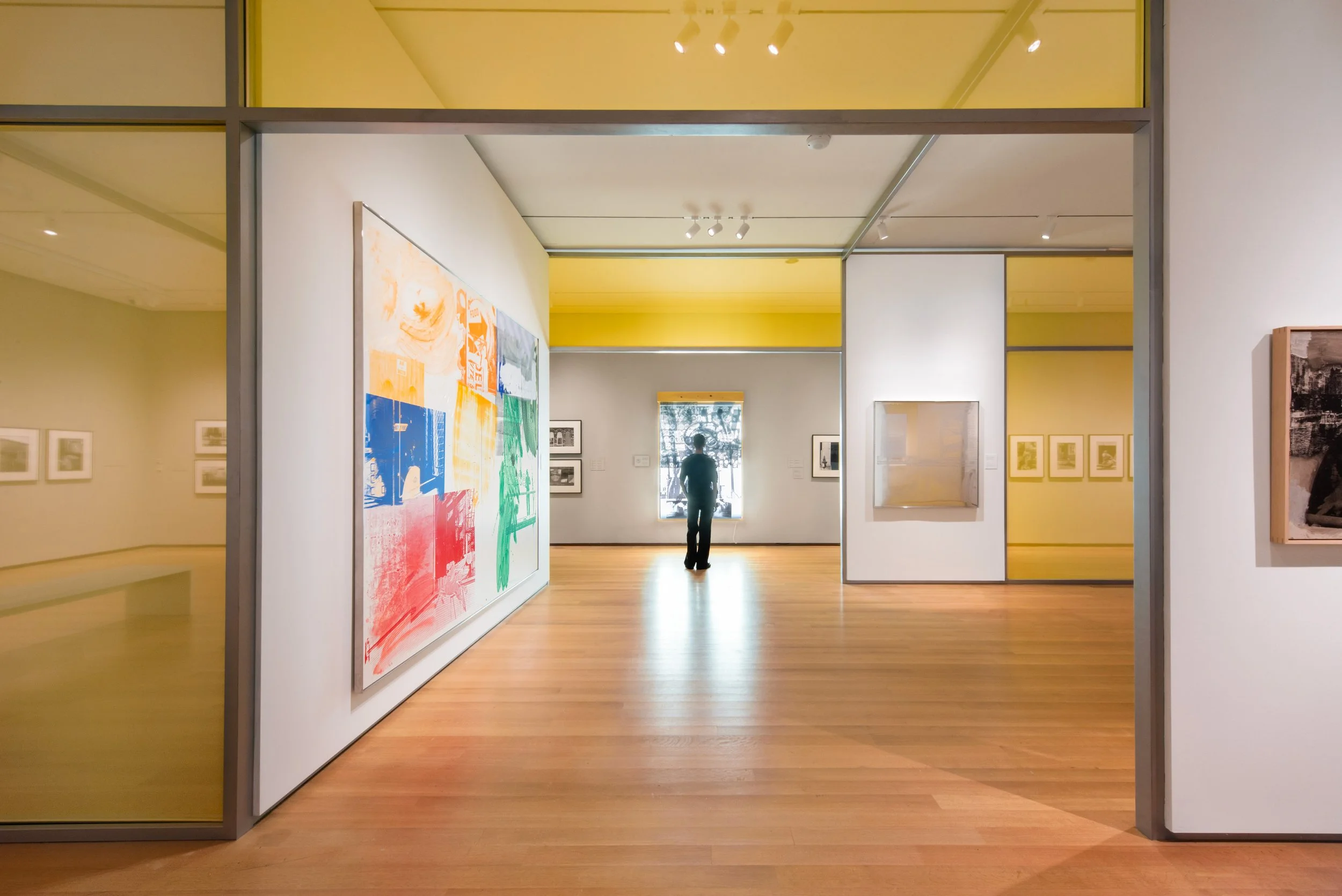
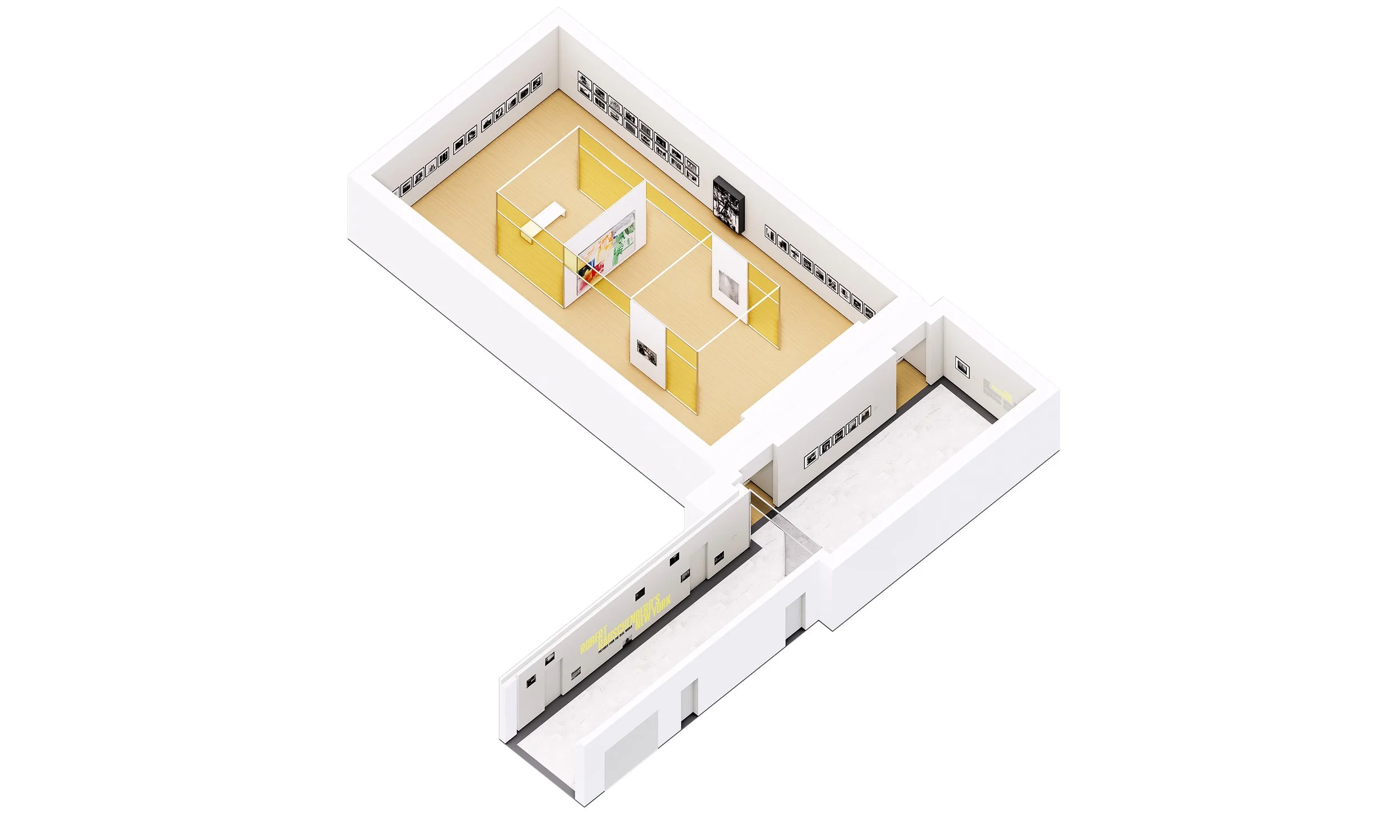
A monumental structure for visual dialogue
The central structure, an H-shaped abstraction of a screen-printing screen, divides the room into zones that place Rauschenberg’s finished artworks in active dialogue with his photographic observations along the perimeter. Visitors can identify visual echoes, noticing a photograph on the outer wall and then locating its reappearance within a painting inside the structure. Each wall panel was meticulously engineered to support priceless artworks while elegantly framing stretched translucent fabric to complete the monumental form.